

Tampa Bay, Florida: A Complete Guide to Living in One of America's Most Dynamic Metro Areas
Tampa Bay has become one of the most talked-about places to live in the United States — and for good reason. With a thriving economy, a warm climate, no state income tax, and a quality of life that’s hard to match at its price point, the region has drawn hundreds of thousands of new residents over the past decade. But before you make the move, it’s worth understanding what makes Tampa Bay tick — where it came from, what it’s really like to live here, and what you should know before planting roots.
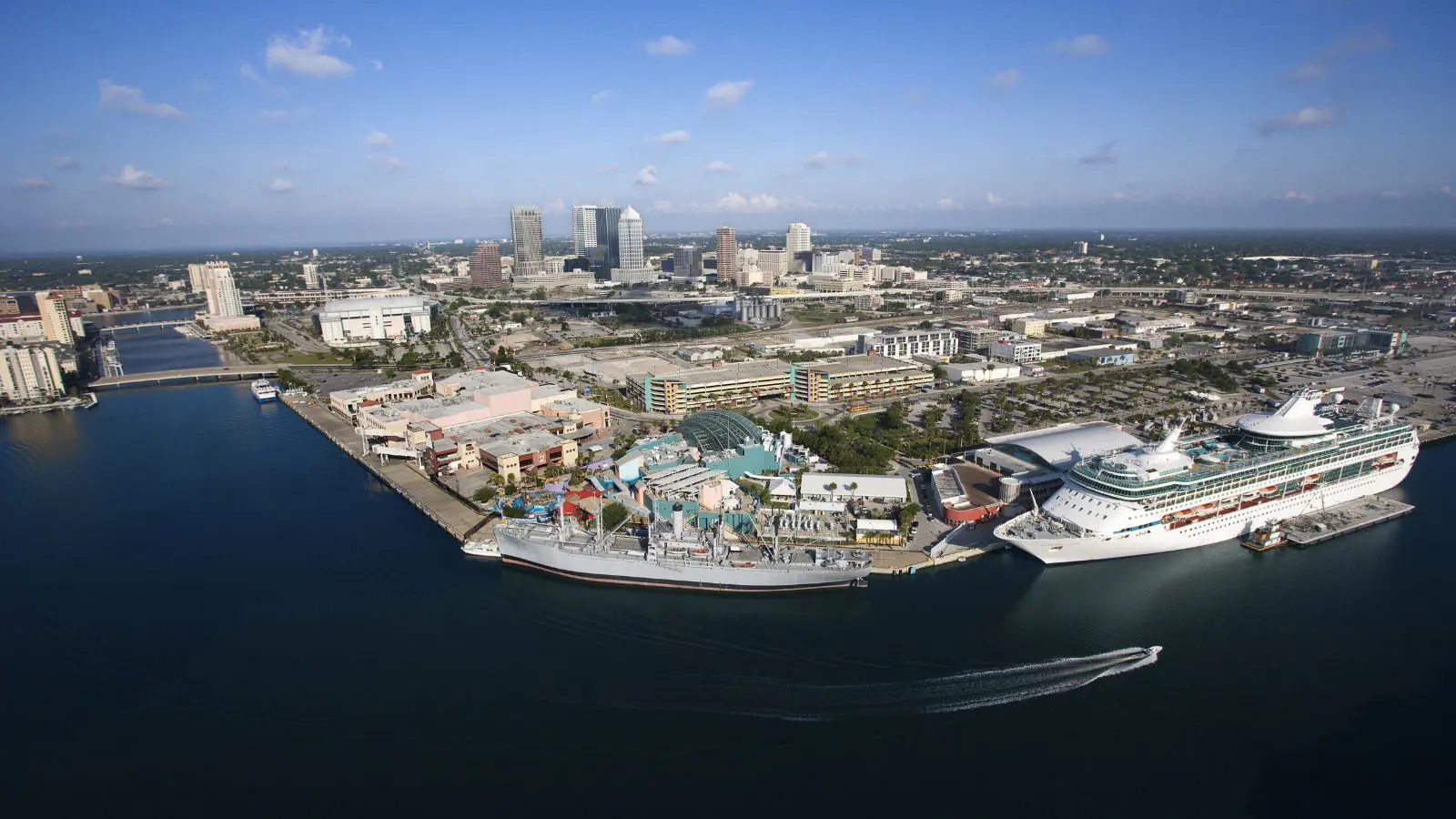
A Brief History
Long before the skyscrapers and stadium lights, Tampa Bay was home to the Tocobaga people, a Native American tribe who thrived along the bay’s shores for centuries, building shell mounds and fishing its abundant waters. Spanish explorers arrived in the early 1500s, with Hernando de Soto landing near present-day Tampa in 1539. But it would take centuries more before permanent European settlement took hold.
Fort Brooke, established in 1824 at the mouth of the Hillsborough River, marked the true beginning of what would become the city of Tampa. The fort served as a military outpost during the Second Seminole War and gradually attracted civilian settlers. Tampa was incorporated as a town in 1849, though it remained small and isolated for decades.
Everything changed in the 1880s. Henry Plant, a railroad magnate, extended his South Florida Railroad to Tampa in 1884, connecting the region to the rest of the country and opening the door to commerce and tourism. Plant followed that investment with the construction of the Tampa Bay Hotel — a Moorish Revival masterpiece that still stands today as the University of Tampa — signaling his belief that the city had a grand future.
Around the same time, Cuban immigration transformed Ybor City, a neighborhood just northeast of downtown Tampa, into a booming cigar manufacturing hub. At its peak in the early 1900s, Ybor City produced hundreds of millions of hand-rolled cigars annually and became one of the most culturally rich communities in the South, blending Cuban, Spanish, and Italian influences into a neighborhood unlike anywhere else in Florida.
The early twentieth century brought phosphate mining, the rise of commercial fishing, and the development of St. Petersburg across the bay, which attracted tourists and retirees seeking the sunshine and calm Gulf waters. MacDill Air Force Base, established in 1939, cemented the region’s strategic importance during World War II and remains a major employer and anchor of the community today.
Postwar growth transformed Tampa Bay from a regional city into a sprawling metropolitan area. The construction of major highways and bridges knit together communities across Hillsborough, Pinellas, Pasco, and Hernando counties. The arrival of professional sports franchises, corporate headquarters, and major universities in the latter half of the twentieth century elevated Tampa Bay’s national profile, and it has been one of the fastest-growing metros in the country ever since.
Homes for sale
What to Expect Living in Tampa Bay
Tampa Bay is not a single city — it’s a mosaic of cities, towns, and communities spread across several counties, each with its own character and pace of life. The core of the metro is anchored by Tampa (Hillsborough County) and St. Petersburg (Pinellas County), connected by two major causeways across Tampa Bay itself. Clearwater, on the Gulf Coast, is the third major city in the core metro.
Life in Tampa Bay tends to be relaxed and outdoors-oriented. The bay, the Gulf of Mexico, and a network of rivers, lakes, and nature preserves mean that water is never far away, and residents take full advantage of it. Kayaking, paddleboarding, fishing, boating, and beach days are woven into everyday life in a way that residents from colder climates often find genuinely transformative.
The region has grown more cosmopolitan over the past decade. Downtown Tampa’s Water Street development — a massive mixed-use urban district along the waterfront — has brought new restaurants, hotels, offices, and cultural venues to the core city. Armature Works, a reimagined 1910 industrial building turned food hall and event space on the Riverwalk, has become one of the area’s most beloved gathering places. The Riverwalk itself stretches nearly three miles along the Hillsborough River, connecting parks, museums, and neighborhoods in a way that has dramatically improved downtown’s walkability and livability.
Ybor City still carries its historic soul, with restored brick streets, cigar shops, and a nightlife scene that draws visitors from across the state. Hyde Park Village is a walkable, upscale shopping and dining district just south of downtown that has a very different, neighborhood-centric feel. Channelside and Harbour Island offer waterfront living steps from downtown’s amenities.
Across the bay, St. Petersburg has its own distinct identity — more arts-focused, with a walkable downtown centered on Central Avenue, a thriving gallery scene, and the Salvador Dalí Museum, one of the largest collections of Dalí’s work outside of Europe. The city has earned a reputation as one of Florida’s most progressive and culturally vibrant communities.
The cost of living in Tampa Bay, while higher than it was five years ago, remains competitive compared to most major metros on the East or West Coast. Housing is the primary driver of cost differences, and what you get for your money — in terms of space, yard, and community amenities — tends to exceed what similar budgets allow in markets like Miami, Orlando, or virtually any major Northeast or West Coast city.
Popular Neighborhoods in the Tampa Bay Area
South Tampa is one of the most desirable addresses on the entire peninsula. Neighborhoods like Hyde Park, Palma Ceia, Beach Park, and Bayshore Boulevard offer tree-lined streets, historic bungalows and craftsman homes alongside newer luxury construction, and proximity to both downtown and the waterfront. Bayshore Boulevard itself — a 4.5-mile continuous sidewalk along the bay — is one of Tampa’s most iconic landmarks.
Wesley Chapel (Pasco County) has become one of the fastest-growing communities in the entire state. Located just north of Tampa off I-75, it offers newer construction, master-planned communities, excellent schools, and easy access to Tampa’s employment centers. The area has seen significant retail and restaurant development in recent years, and communities like Wiregrass and Epperson (home to one of the country’s first crystal lagoons) are emblematic of what modern Florida suburban living looks like.
Land O’ Lakes, just west of Wesley Chapel, offers a similar appeal with slightly more rural character and a mix of established and newer communities.
Riverview sits south of Tampa along US-301 and I-75 and has exploded with growth in recent years. It attracts buyers who want newer construction at more accessible price points while remaining close to downtown Tampa, MacDill, and Brandon.
Carrollwood and New Tampa are established North Tampa communities popular with families for their suburban feel, good schools, and convenient highway access.
St. Petersburg’s Historic Kenwood and Old Northeast neighborhoods are beloved for their craftsman bungalows, brick streets, and walkable access to downtown. The Grand Central District along Central Avenue is a hub for local restaurants, coffee shops, and boutiques.
Seminole Heights, just north of downtown Tampa, has become a magnet for buyers seeking historic homes with character, a genuine neighborhood feel, and easy access to the city’s creative and culinary scenes.
New Port Richey and Port Richey in Pasco County offer more affordable entry points into the market with Gulf Coast access and a growing arts and dining scene centered on their historic downtown areas.
Education and School System
Tampa Bay is served by several large public school districts, most notably Hillsborough County Public Schools — one of the largest districts in the entire country with over 230 schools serving more than 220,000 students. The district includes a wide range of options: traditional neighborhood schools, magnet programs focused on areas like STEM, the arts, and International Baccalaureate, and specialized academies. Hillsborough has consistently produced National Merit Scholars and strong college placement rates across its higher-performing schools.
Pasco County Schools has grown rapidly alongside the county’s population and has made significant investments in new school construction and program development to keep pace, particularly in Wesley Chapel and Land O’ Lakes.
Pinellas County Schools serves St. Petersburg and Clearwater and has a strong magnet program tradition, including arts and language immersion schools.
Beyond public schools, the Tampa Bay area has a robust private school ecosystem spanning Catholic, Christian, independent, and non-denominational institutions at every age level and tuition range. Schools like Jesuit High School, Academy of the Holy Names, Berkeley Preparatory School, and Tampa Preparatory School are well-regarded institutions with strong college placement records.
On the higher education side, the University of South Florida (USF) in Tampa is a major research university with over 50,000 students and a growing reputation in medicine, engineering, and business. The University of Tampa, situated in the historic Tampa Bay Hotel building, is a respected private university downtown. St. Petersburg College and Hillsborough Community College serve the region’s community college needs, and several trade and vocational schools round out the options for workforce training.
Getting Around: Transportation in Tampa Bay
Tampa Bay is a car-dependent region by most measures, and if you’re moving from a city with robust public transit, the adjustment requires some planning. The highway network is extensive — I-4, I-75, I-275, the Selmon Expressway, and the Suncoast Parkway are the major arteries — and the region’s sprawl means that most residents rely on personal vehicles for daily commuting.
That said, the transportation landscape is evolving. The HART (Hillsborough Area Regional Transit) system provides bus service throughout Hillsborough County, and the PSTA covers Pinellas County. The Pinellas Suncoast Transit Authority’s SunRunner BRT (bus rapid transit) line connects downtown St. Petersburg to St. Pete Beach along Central Avenue, offering a convenient option for that corridor.
Ride-sharing services are widely available throughout the metro. Tampa International Airport (TPA) is consistently ranked among the best airports in the country for ease of use, parking, and passenger experience, with nonstop service to most major domestic hubs and a growing number of international destinations.
The Tampa Riverwalk and expanding urban trail network offer car-free options within the urban core, and the region has been investing in protected bike infrastructure, though cycling as a primary transportation mode is still limited to specific areas.
For longer trips, Amtrak’s Silver Star and Silver Meteor routes serve Tampa with connections to Orlando, Jacksonville, and points north.
Weather: What to Expect Year-Round
Tampa Bay’s climate is one of its greatest draws — and one of its most important factors to understand before relocating. The region sits in a humid subtropical zone, which means warm temperatures nearly year-round with a pronounced wet season and a dry season.
October through May is considered the “dry season” and is why Tampa Bay is sometimes called “paradise” by its residents. Temperatures during this period are mild to warm, averaging in the low-to-mid 70s°F, with low humidity and plenty of sunshine. This is when the region shines — outdoor dining, beach days, and activities feel effortless, and the weather that draws so many people to Florida is on full display.
June through September is the wet season, and it brings the heat, humidity, and afternoon thunderstorms that define Florida summers. Temperatures regularly climb into the low-to-mid 90s°F with high humidity that makes it feel hotter. The good news is that most summer storms are brief — an intense afternoon downpour that passes within an hour — rather than all-day rain. The bad news is that the heat and humidity during these months can be genuinely intense for those unaccustomed to it.
Hurricanes are a reality of life on the Gulf Coast and should be taken seriously. Tampa Bay has historically been protected by its unique geography, but that protection is not absolute — Hurricane Helene in 2024 and Hurricane Milton in 2024 were stark reminders that the region is not immune. Buyers should understand flood zone designations, insurance requirements, and hurricane preparedness before purchasing a home here.
The Tampa Bay area averages 233 sunny days per year, which is well above the national average and a significant quality-of-life factor for many residents — particularly those relocating from the Northeast or Midwest.
Why People Choose to Call Tampa Bay Home
People move to Tampa Bay for an enormous variety of reasons, and the region has proven broadly appealing across life stages and priorities.
The job market has been one of the strongest draws. Tampa Bay is home to a diverse and growing economy anchored by healthcare, financial services, technology, defense contracting (through MacDill AFB), tourism, and maritime industries. Companies including Raymond James, Jabil, WellCare, and numerous regional healthcare systems employ tens of thousands of residents, and the region has actively recruited tech and finance firms in recent years. The entrepreneurial ecosystem has also matured significantly, with a growing startup community centered around USF’s research programs and several incubator and accelerator programs.
Florida’s tax environment is a major factor for many. The state has no personal income tax, which represents meaningful savings for residents across income levels. Combined with a homestead exemption that limits annual assessment increases on primary residences, the tax picture is a genuine financial consideration for those relocating from high-tax states.
The outdoor lifestyle that Tampa Bay enables is difficult to replicate in most of the country. Gulf beaches — including Clearwater Beach, consistently ranked among the finest in the nation — are within easy reach. The bay itself is a hub for boating, fishing, and water sports. Dozens of state parks and nature preserves offer hiking, kayaking, and wildlife viewing. The year-round growing season means farmers markets, community gardens, and outdoor dining are woven into the fabric of daily life.
For families, the combination of strong school options, safe communities, and abundant youth sports, arts, and recreation programs makes the region particularly appealing. For young professionals, the growing urban cores of downtown Tampa and St. Petersburg offer the restaurants, nightlife, arts, and walkability that make city living rewarding. For those approaching or in retirement, the climate, healthcare infrastructure, and range of active adult communities throughout the region offer an exceptional quality of life.
Tampa Bay’s arts and culture scene has quietly become one of its most impressive assets. The Straz Center for the Performing Arts brings Broadway touring productions and world-class performances to downtown Tampa. The Tampa Museum of Art, the Florida Museum of Photographic Arts, the Museum of Science and Industry, and the Dalí Museum across the bay collectively offer a cultural depth that surprises many newcomers. Professional sports — the Tampa Bay Buccaneers, Lightning, and Rays — give the region a major-league identity that drives community spirit.
Perhaps most of all, Tampa Bay offers a sense that the best is still ahead. The region continues to grow, invest in itself, and attract people and businesses that see its potential. For those willing to embrace the heat, prepare for hurricane season, and adapt to a car-dependent lifestyle in most neighborhoods, it delivers a combination of opportunity, lifestyle, and value that is genuinely hard to find elsewhere.
Curious about which neighborhood in Hillsborough or Pasco County might be the right fit for you? I live here and work here — I’d love to help you find your place in Tampa Bay. Contact me today.